Determine Bovine Gestational Age: EasiScan:Go
Gestational age determination is a valuable component of reproductive ultrasound examinations in cattle. Recording precise data on the gestational stage of the pregnant cow allows clients to optimise herd management practices and maximise reproductive health. This article discusses the benefits of gestational age determination and explains the basic fetal measurements required. Sonorite highlights the value of the EasiScan:Go in streamlining bovine practitioners scanning time.

Bovine Fetal Measurements
Easi-Scan:Go (IMV imaging – smartphone Go-Scan app)
Capture Clinically Significant Diagnostic Data
Knowing the gestational age of the beef or dairy cow helps the farmer to streamline the calving season. Being able to accurately determine the calving date is an invaluable management tool. Ultrasound allows you to group cows according to due dates and facilitates a tighter calving window. Such practices improve client resource efficiency and patient reproductive health. For instance, it allows precision food rationing in the late-pregnant group, ensuring optimal body condition come calving time and minimises differences in calf weaning weights.
In the past, predicting calving dates relied on multiple data points: information on estrus, insemination and breeding dates, and transrectal palpation of the conceptus. Fetal ultrasound measures offer accurate gestational age determination even if adequate reproductive data is unavailable (e.g., pasture-bred beef cattle and rural farms). If timed correctly, fetal ultrasound can even confirm if a pregnancy resulted from artificial insemination or the clean-up bull: Vital data when making marketing decisions or selecting replacement heifers from the resultant calf crop.
Maximise the value of your reproductive ultrasound examination.
Offer accurate gestational age determination as part of your clinical service.

Crown-rump length (IMV imaging)
Fetal Ultrasound Measures Versus Manual Palpation Methods
When determining gestational age, real-time transrectal ultrasound allows direct measurement of the fetus and is superior to manual palpation methods.
Rectal palpation combines findings on reproductive tract changes and conceptus features (fetal size and fetal fluid volumes) as a measure of gestational age. Error prone, e.g., fetal fluid volumes can vary due to environmental influence and breed-related factors.
- time-consuming procedure
- requires extensive operator experience
- reliant on complex factors
- prone to inaccurate interpretation
In contrast, fetal growth is consistent, proceeds at a predictable rate, and is proven to correlate with the age of gestation. Ultrasound fetal measures are easy to learn and quick to perform.
- provide a precise gestational age
- one single measure
- eliminates uterine manipulation & conceptus ballottement
- minimise iatrogenic abortion risk (especially in early pregnancy)
Five Fetal Ultrasound Measures
There are five fetal measurements: crown-rump length, head diameter, head length, trunk diameter, and eye diameter. Any one of these ultrasound measures can reliably estimate bovine gestational age during early to mid-gestation.
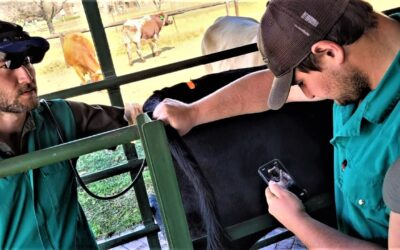
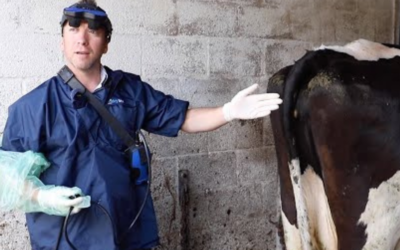
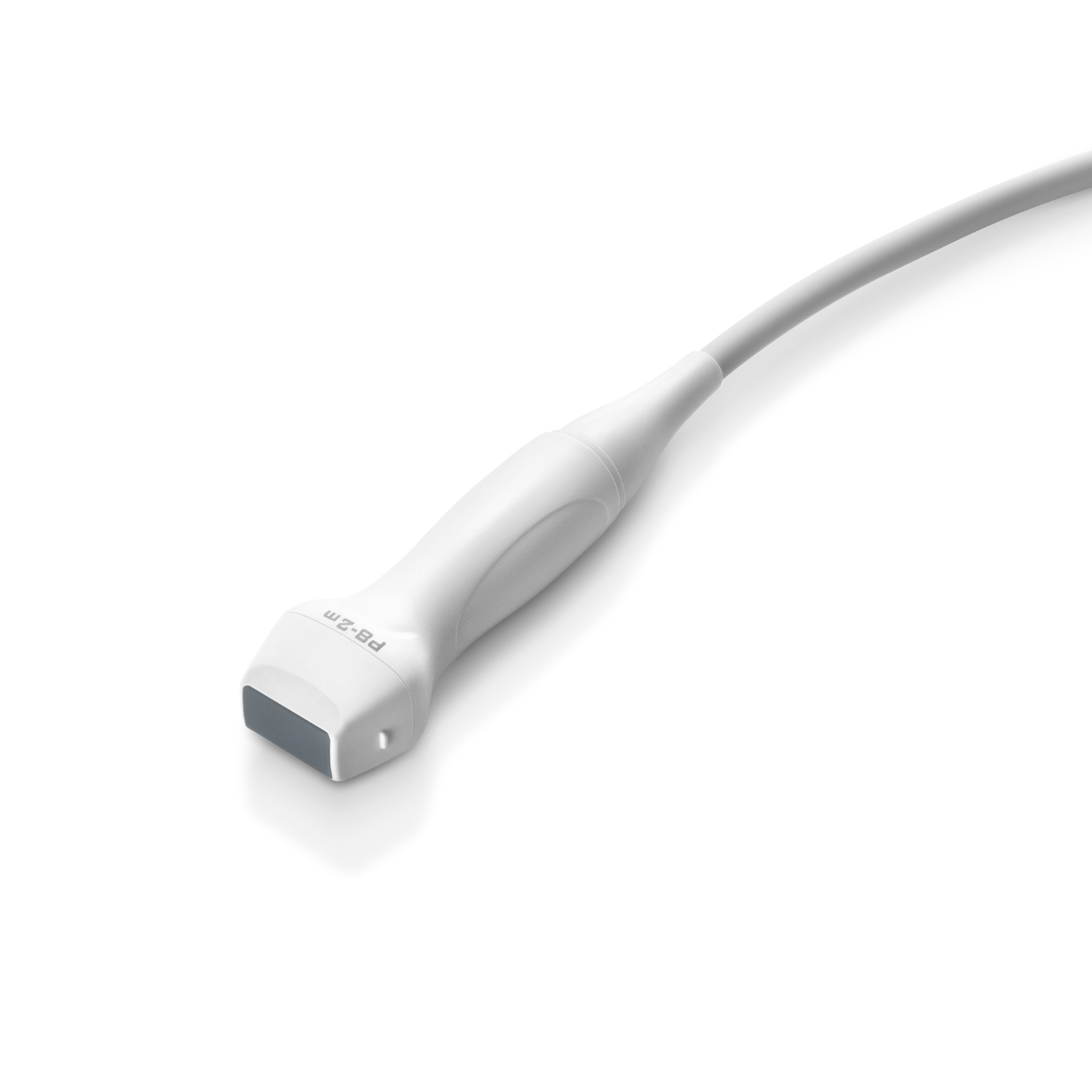
Using the transrectal probe, position the transducer over the selected fetal structure. Then freeze the image and manually place the cursors to measure. Readings correspond to age on a chart, or the scanner software uses them to calculate gestational age.
The Easi-Scan:Go App automatically calculates and displays the number of days pregnant from your recorded measurement.

Fetal ultrasound measurements
Easi-Scan:Go – Fetal measurements in mm and gestational age in days (34-213 days).
Reliable Scanning with Easi-Scan:Go Lite Affordability
Optimise your early to mid-gestational staging with a budget-friendly, portable setup. View our Easi-Scan:Go Lite Leaflet to see how this technology-packed system delivers excellent diagnostic clarity:
- Sound-Link wireless data transmission: Share images directly to your smart device or VGA BUG headset with zero data lag.
- Smart-Beam technology: Generate high-quality images.
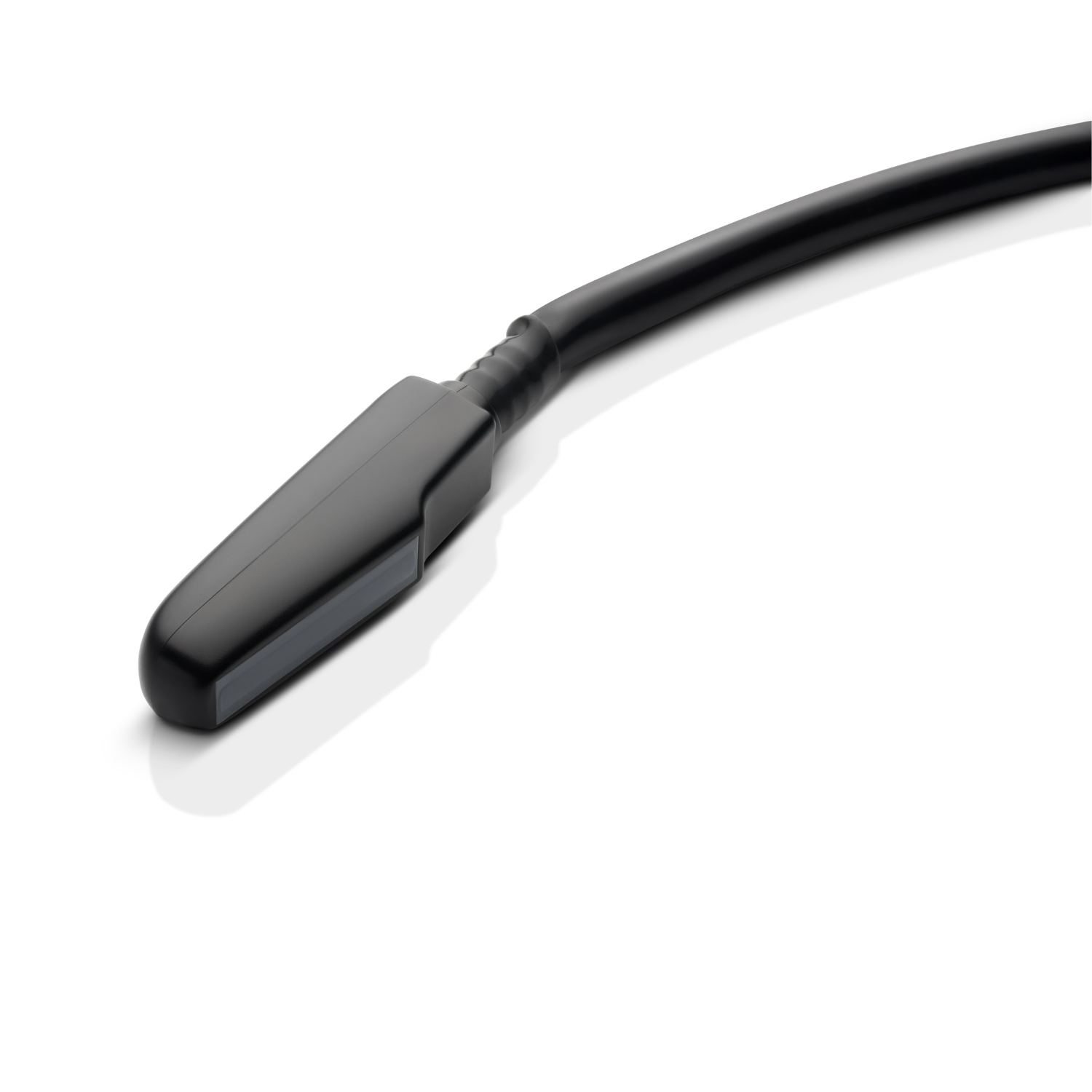
- Shield-Tech armour: Protect your investment with extra-durable, strengthened fixed probe cables.
Choosing the right hardware configuration ensures your measurements remain highly accurate in challenging field environments. Master fetal age determination by following our top tips on measurement selection below and maximise the benefits of accurate pregnancy detection for beef cattle and dairy operations.
Top Tips for Measurement Selection
Crown-rump length is the most common measure up to the second month of pregnancy. As the fetus grows, it becomes too big to fit the entire fetus in the viewing window. So, between 65 to 90 days of gestation, you will find the head diameter is a useful measure.
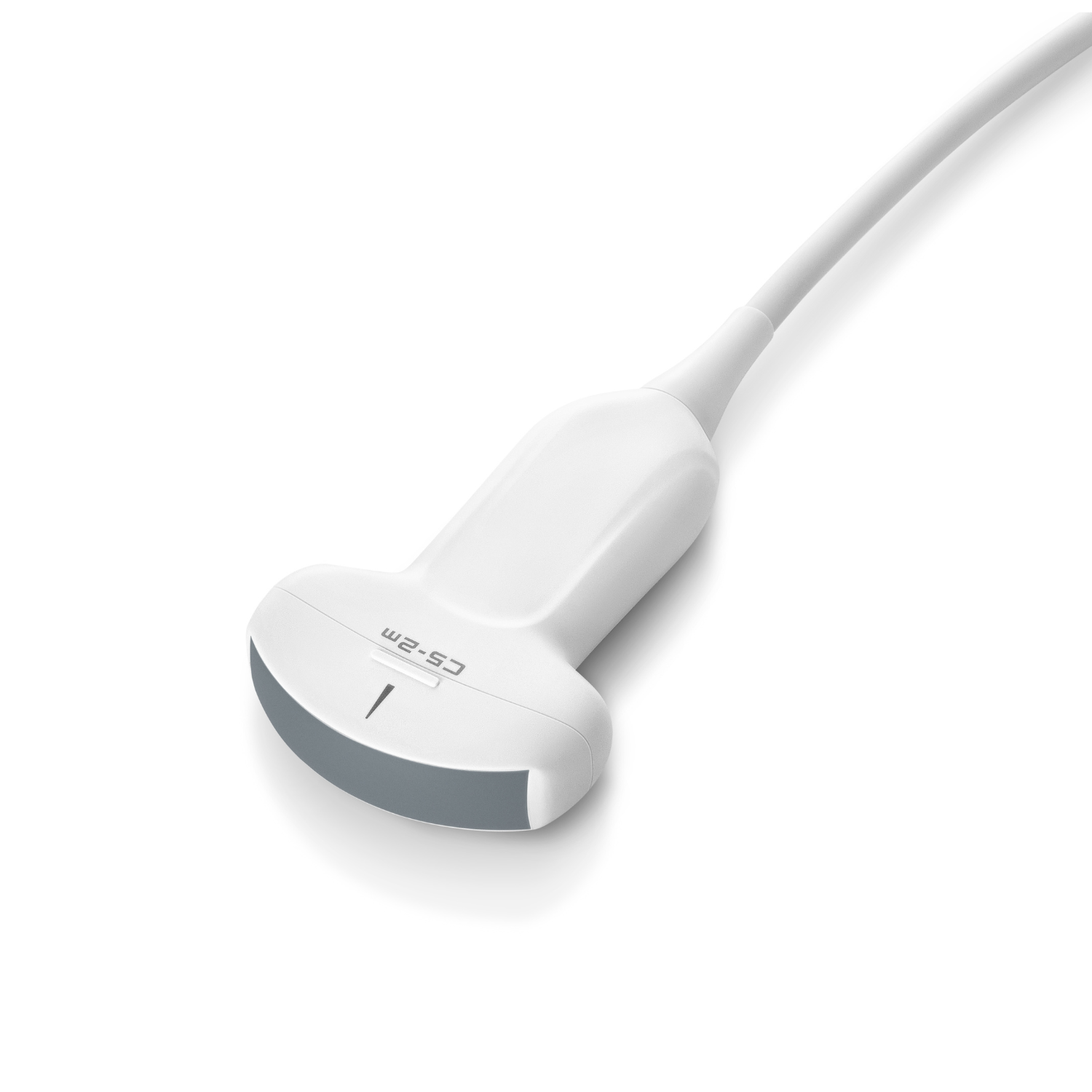
After 90 days, due to the position of the reproductive tract in the cow’s abdomen and the size of the fetus, it is recommended to use a curvilinear probe and measure any accessible fetal structure. Switching to the curvilinear probe allows increased scanning depths and improves visualisation. Zooming out speeds up image acquisition and reduces scanning time.
Eye diameter is a convenient measurement for mid-gestational staging, and using a probe introducer helps with accurate placement over the eye socket.

During advanced pregnancy, the fetus descends further into the abdominal cavity and is less accessible transrectally. Transabdominal ultrasound of the bovine feto-maternal unit is gaining popularity in academic circles. However, more research is required to prove its practicality in the field.
Revolutionise Reproductive Ultrasound Examination
Modern farmers are becoming more reliant on exact data to guide integrated herd health decisions. Maximise the value of your reproductive ultrasound examination by offering accurate gestational age determination as part of your clinical service. Strengthen the veterinary-client relationship through improved herd reproductive efficiency.
Contact Sonorite for a price on a wireless bovine scanner for your practice. Streamline your workday. Discover more about the EasiScan:Go on our product page: Technical Specs; Visits ToDo App; Top Tips; Product Brochures; Demonstration and Review Videos.